Business Name: BeeHive Homes of Hamilton
Address: 842 New York Ave, Hamilton, MT 59840
Phone: (406) 545-5737
BeeHive Homes of Hamilton
At BeeHive Homes of Hamilton, we’re more than an assisted living residence — we’re a true home. Nestled in the heart of the Bitterroot Valley, our intimate, homelike setting is designed to offer peace of mind to residents and their families alike. With just a handful of residents per home, we ensure that every individual receives the personal attention, dignity, and respect they deserve. Locally owned and operated, our leadership team brings over 20 years of experience in caring for older adults. We are deeply rooted in the community and proud to foster an environment where friends and family are always welcome — just like home.
842 New York Ave, Hamilton, MT 59840
Business Hours
Monday thru Sunday: 8:00am to 5:00pm
Instagram: https://www.instagram.com/beehivehomeshamilton/
Tiktok: https://www.tiktok.com/@beehivehomesofhamilton
Facebook: https://www.facebook.com/BeeHiveHomesofHamilton
Families typically very first encounter respite care at a point of exhaustion. A daughter who has been sleeping in a recliner near her mother's room for months. A partner trying to handle medications, roaming at night, and their own persistent discomfort. When someone lastly states, "You require a break," the next question is, "Where can I safely leave my loved one, even for a short time?"
Respite care, when well picked, brings back both the primary caretaker and the older grownup. When inadequately matched, it can leave everyone more nervous than in the past. Among the most important decisions is the type of setting: a little, intimate elderly care home, or a larger assisted living center that might include dedicated memory care.
Both can supply respectable senior care. Both can provide experienced, caring staff. Yet the experience on the ground feels very different, which difference matters, specifically for brief stays.
This discussion makes use of what I have seen in practice: households who loved tiny residential homes, and others who only relaxed once their parents were in a large, expertly managed assisted living community. The objective is not to crown a winner, however to help you recognize which strengths and compromises fit your own situation.
What respite care really provides for a family
Respite care is a short-term remain in a senior care setting that momentarily takes control of most or all daily care tasks. It can last from a single over night to numerous weeks and even a few months, depending on the company and local regulations.
The worth is twofold. Initially, the caregiver gets time to recuperate or take care of other duties: surgical treatment, work travel, moving house, or just sleep. Second, the older adult gets a structured environment with professional oversight rather of a hastily arranged next-door neighbor or relative trying to manage complex needs.
Respite can take place in numerous kinds of places:
Small elderly care homes, frequently called residential care homes, board and care, or adult family homes. These are generally transformed houses in residential neighborhoods, serving someplace between 3 and 12 residents.
Large assisted living centers, often part of a broader senior living campus. These can range from 40 homeowners to a number of hundred, typically with various wings or buildings for independent living, assisted living, and memory care.
Skilled nursing centers, which provide round-the-clock medical oversight. They are essential for people requiring intensive clinical care, but they sit rather outside the usual option between intimate homes and assisted living centers, so this short article concentrates on the very first two.
Families typically underestimate how different the daily experience can be in between a small home and a large community. Both may assure comparable services on paper: help with bathing and dressing, medication management, meals, activities, and supervision. The real distinction depends on environment, culture, and the method staff and locals interact.
The character of intimate elderly care homes
Walking into an excellent residential care home feels like crossing a threshold into somebody's home, not an organization. You might smell lunch cooking. You might see a resident reading at a kitchen table, another snoozing in a recliner, a caregiver folding laundry while chatting softly.
These settings usually use:
Very small resident groups. Six to ten homeowners is common in numerous locations. This scale makes it far easier for personnel to know everyone totally, including routines, choices, activates, and subtle changes in health.
Informal rhythms. Because there are less residents, schedules can be more versatile. A late sleeper might be enabled to wake up at 10 a.m. Without interrupting personnel tasks. Meals might be somewhat more customizable.
High presence. In a one-story home with a shared living space, staff can watch on everyone without substantial cams or long hallways. This is particularly valuable in elderly care for people at threat of falls or wandering.
Stronger probability of continuity. In well-managed small homes, the exact same two or three caretakers may exist for a lot of shifts. For older grownups with dementia or stress and anxiety, seeing familiar faces is tremendously stabilizing.
The intimacy of residential homes particularly benefits people who struggle with overstimulation or abrupt change. I when worked with a retired instructor with moderate dementia whose child tried 2 various respite choices. In a large assisted living community, he was overwhelmed by the noise in the lobby and the stream of strangers. He started shadowing staff and refusing to go to the dining-room. In a little care home with 6 homeowners, he rapidly settled into a pattern of sitting at the kitchen table, helping dry dishes, and checking out the paper. The faces and spaces were restricted enough for him to develop a psychological map and feel safe.
However, little does not instantly mean much better. The intimacy comes with its own vulnerabilities.
Many residential homes have restricted onsite medical support. They might rely heavily on visiting nurses or mobile companies. A resident with diabetes, substantial cardiac arrest, or complex medication changes may be much better served in a setting with an internal nurse present daily.
Staffing is also delicate in a tiny operation. One sudden resignation or health problem can strain the whole group. Excellent operators prepare for this, however not all do. When you are thinking about respite care in such a home, ask plainly how they manage personnel lacks and after-hours emergencies.
Finally, small homes vary significantly in quality and professionalism. Some are run by extremely experienced nurses or social employees who developed a thoughtful, resident-centered environment. Others are opened by people with limited training, drawn in by the perception of a low-barrier company. Licensing and assessment can assist you arrange them out, but you still require to stroll in, observe, and ask questions.
The community of large assisted living centers
Large assisted living neighborhoods feel more like hotels or small schools. There might be a reception desk, a grand lobby, an official dining-room, an activities calendar, and a transport schedule posted in the elevator.
These centers typically offer:
Broader services under one roofing system. A resident can move from independent living to assisted living, and after that perhaps to memory care or experienced nursing, without leaving the school. For families looking for connection and long-lasting preparation, this matters.
More features. Larger dining menus, fitness rooms, therapy spaces, libraries, chapels, beauty salons, and outside yards. For socially likely locals, this can feel like a new village.
Dedicated memory care units. Numerous assisted living centers now have secure memory care wings for individuals with dementia who wander or need specialized behavioral assistance. These systems frequently have more personnel training particular to cognitive decline, structured regimens, and ecological hints to decrease confusion.
Professional management and oversight. Corporate or regional operators often supply standardized training, quality audits, and administrative backup. For respite care, this often translates into more foreseeable consumption treatments, clear medication management, and established emergency protocols.
The scale of large centers can be reassuring, particularly to adult children who live far away. They like understanding there is personnel awake all night, that backup systems exist if a caregiver hires sick, and that medical concerns can often be attended to without immediate transfer to the emergency situation room.
I have seen many families breathe much easier once their parent settled into a well-run assisted living community that likewise used respite care. After a few trial stays, those households often chose to transition from respite to permanent residency since the elder began joining a bridge group, participating in music programs, or walking daily in the yard with brand-new acquaintances.
Yet the extremely scale that enables all these services can also make the environment feel less personal.
Older adults who are frail, nervous, or extremely shy may feel lost in the crowd. Personnel schedules are more rigid, with set times for bathing, meals, and activities. Caregivers change more often, and shift handoffs indicate more possibilities for details to be missed.
On the memory care side, big centers can become noisy, with lots of residents vocalizing, pacing, or expressing distress at once. Delicate people often mirror the group's agitation. Matching personality to environment matters as much as matching diagnosis.
Comparing respite care experiences in each setting
Respite care is not just irreversible care made much shorter. The compressed timeline magnifies certain concerns. The older adult needs to adjust quickly to a new environment, regimens, and individuals. Personnel have less time to learn subtleties. Household caretakers are currently stressed.
For numerous families, the crucial distinctions in respite experiences fall under 3 headings: adjustment, communication, and flexibility.
Adaptation. In a small residential care home, the minimal number of faces and areas can decrease disorientation, especially for somebody with memory disability. It is easier to develop an easy regimen: breakfast in the very same chair, familiar staff with recognizable voices, the same view from the bed room. In a big assisted living center, there might be more stimulation and more potential for engagement, however likewise more confusion about where to go and who is "in charge".
Communication. Large centers often have more official systems: nurse notes, event reports, set up care conferences. Families might receive written updates about medications or falls. Smaller sized homes may rely more on direct discussions and phone calls. I have actually seen residential homes text households informal updates and images throughout a respite stay, something more difficult to envision at scale in a 200-resident community.
Flexibility. Residential homes tend to have more freedom to change schedules or accommodate small routines, such as a nighttime telephone call with a spouse or a late-evening cup of tea. Assisted living centers, specifically due to the fact that they manage a lot of homeowners, frequently have set meal times and staffing patterns that limit customization.
These differences do not make one categorically better. Rather, they hint at important questions to ask before you schedule a respite stay.
Here is a compact way to frame the comparison when you are weighing options for respite care:
- Intimate elderly care homes: Much better fit to residents who are easily overwhelmed, gain from consistent faces, or have moderate dementia with behavioral sensitivity. Strengths consist of customization, visibility, and home-like convenience. Vulnerabilities consist of minimal medical facilities, variable management quality, and reliance on a little staff. Large assisted living centers: Much better fit to locals who enjoy social life, can browse bigger spaces with some support, or have complicated medical needs that require onsite nursing and structured monitoring. Strengths include broad features, formal systems, and capacity for higher skill. Vulnerabilities include potential for depersonalization, more rigid schedules, and sensory overload for delicate individuals.
Memory care factors to consider in each environment
Dementia alters the calculus. Respite take care of someone with cognitive impairment is not just about safety and supervision. It is also about preserving dignity and lowering distress throughout a complicated time.
In small homes that concentrate on memory care, you frequently see:
Consistent staffing that enables caretakers to anticipate triggers and intervene early. For example, discovering that a specific resident ends up being agitated if the television volume is high or if somebody walks behind them unexpectedly.
Environmentally basic spaces. Less long corridors, fewer doors, and less public traffic make it much easier for somebody with dementia to orient themselves, even if they can not articulate it.
Flexible behavioral reactions. Since there are only a handful of locals, personnel may choose to sit quietly with someone who is restless at 3 a.m., instead of executing a stiff protocol. This can be exceptionally calming.
In contrast, memory care units within big assisted living centers frequently bring:
Specialized programs. Structured activities tailored to cognitive level, such as music therapy, reminiscence groups, and sensory stimulation sessions.
More robust clinical oversight. Regular visits by psychiatrists or geriatricians, set up habits rounds, and recorded care plans that consist of non-pharmacologic interventions.
Secure, purpose-built style. Circular hallways, secured yards, visual hints, and monitored entrances help reduce exit-seeking and wandering risk.
One family I worked with alternated respite stays for their father, who had advanced Alzheimer's disease, between a six-bed home and a 40-bed memory care system. The smaller sized home excelled during the night and weekends. Their father, a previous engineer who did not like sound, slept much better and had less agitation episodes there. The larger system remarkably handled his complex medications, coordinated with his neurologist, and offered rich daytime activities.
Eventually, the household picked the bigger memory care system for irreversible positioning however still used the smaller home periodically for short stays when the larger system needed to handle an outbreak or building disturbance. This hybrid method took effort but showed a nuanced understanding of what each environment did best.
Practical concerns: cost, availability, and logistics
Decisions do not occur in a vacuum. Budgets, geography, and waitlists typically shape what is realistically possible.
Cost. In many regions, daily rates for respite care in small residential homes and in assisted living centers overlap more than households anticipate. A normal variety might be, for example, 150 to 300 dollars per day, depending upon care complexity and area. Memory care units normally cost more than basic assisted living. Some companies need a minimum stay, such as 7 or 14 days, which can drive the total bill.
Insurance and advantages. Medicare does not usually cover routine respite remains in assisted living or residential care homes, though it may cover extremely minimal respite in a knowledgeable nursing center as part of hospice or specific programs. Long-term care insurance, if the policy consists of respite or center protection, can make a significant difference. Veterans' advantages or local aging services grants often fund respite, but eligibility criteria can be strict.
Availability. Lots of little homes have only one or more respite beds, if any. Those areas fill fast, specifically during holiday or influenza rises when household caretakers are most likely to get sick. Large assisted living centers might have more capability but likewise more intricate admission procedures and health screening requirements.
Geography. In thick urban locations, big assisted living centers might dominate, with only a few scattered residential homes. In rural areas, small elderly care homes might be more common. Backwoods typically have limited choice entirely, that makes advance preparation a lot more important.
Transport and transitions. Think through who will physically bring the older adult to and from respite care. Some big assisted living centers can organize paid transportation, especially if the individual utilizes a wheelchair. Small homes might not have this capability, relying on family or medical transportation services.
If expense and logistics are tight, respite care does not need to be all or nothing. I have seen households work out single overnight stays every few weeks with a regional residential home, using them strategically so the main caregiver could rest deeply. Others set up one week of respite every quarter at an assisted living center to integrate with work demands or medical appointments.
How to evaluate quality on a quick visit
Evaluating senior care settings is challenging even for specialists. For families visiting 2 or 3 locations while juggling work and caregiving, things quickly blur together. Paper pamphlets guarantee similar services. Everyone declares to provide "compassionate care". The genuine signals of quality tend to be small, specific, and typically visible within minutes.
During a tour, pay attention to interactions rather than decoration. A granite countertop does not help your mother with incontinence at 2 a.m., however the tone of a caretaker's voice might.
As you tour, think about using a short mental checklist:
- Observe how personnel address homeowners. Do they use names, speak at eye level, and show patience when somebody repeats a question? Or do you hear rushed, task-focused language, such as "Let's go, we are late" without description or reassurance? Notice the state of mind in common areas. Are locals taken part in anything, even simple conversation or viewing a program together, or are most sitting alone in wheelchairs in front of a tv? In a little home, engagement might look like one team member talking while folding laundry with a resident. Ask about night staffing and emergency procedures. For both residential homes and assisted living centers, this is where gaps typically appear. Validate who is awake in the evening, how many personnel are on responsibility, and how they react to unexpected modifications like chest pain or a fall. Clarify how respite residents are integrated. Are short-stay guests encouraged to sign up with activities and being in the main dining area, or are they kept somewhat on the margins? The response informs you a lot about how they will be treated. Ask for particular examples. Invite the manager to explain a challenging scenario they dealt with in the previous six months and what they learned from it. An honest, comprehensive response suggests reflective practice. Vague, polished replies typically suggest a scripted tour.
Trust your sensory impressions. If a place feels uncertain, with regular call bells calling and personnel preventing eye contact, take that seriously. If a caregiver spontaneously stops to change a blanket for a resident while stating, "You always get chilly near that window," that little gesture shows a culture of attentiveness.
Matching the setting to the individual and the family
The most thoughtful respite strategy acknowledges that you are not choosing for an abstract "senior", but for a specific human being with a particular family.
For an older adult who is still socially curious, relatively mobile, and perhaps lonesome, a large assisted living center might be even more invigorating than a quiet residential home. The structure of set up activities, workout classes, and dining-room conversations might do more for their mood than any medication.
For someone with sophisticated dementia who reacts strongly to noise or unknown faces, a little elderly care home where they can keep a simple routine and see the same caretakers every day might be more humane.
The household's needs matter as much as the elder's profile. A child living 3 hours away may favor a big assisted living community with transparent reporting systems and a strong credibility, because she can not appear every few days to look at a little home. A spouse who lives 10 minutes from a residential care home and understands the owner personally may discover enormous reassurance there.
Consider also your long-lasting strategy. In some cases respite serves as a trial run for irreversible placement. Other times it is mostly a pressure valve while everybody intends to keep the elder in your home. If you presume a permanent move is most likely within the next year, using respite at the exact same assisted living center you might eventually choose permits your loved one to develop familiarity gradually.
On the other hand, if you are devoted to aging in location in your home for as long as possible, you may select the most soothing and least disruptive respite environment, even if you understand it will not be the ultimate long-lasting solution.
Planning ahead before the crisis hits
The worst time to choose between an intimate care home and a large assisted living center is during a medical emergency on a Friday afternoon. Yet that is often when the choice is forced.
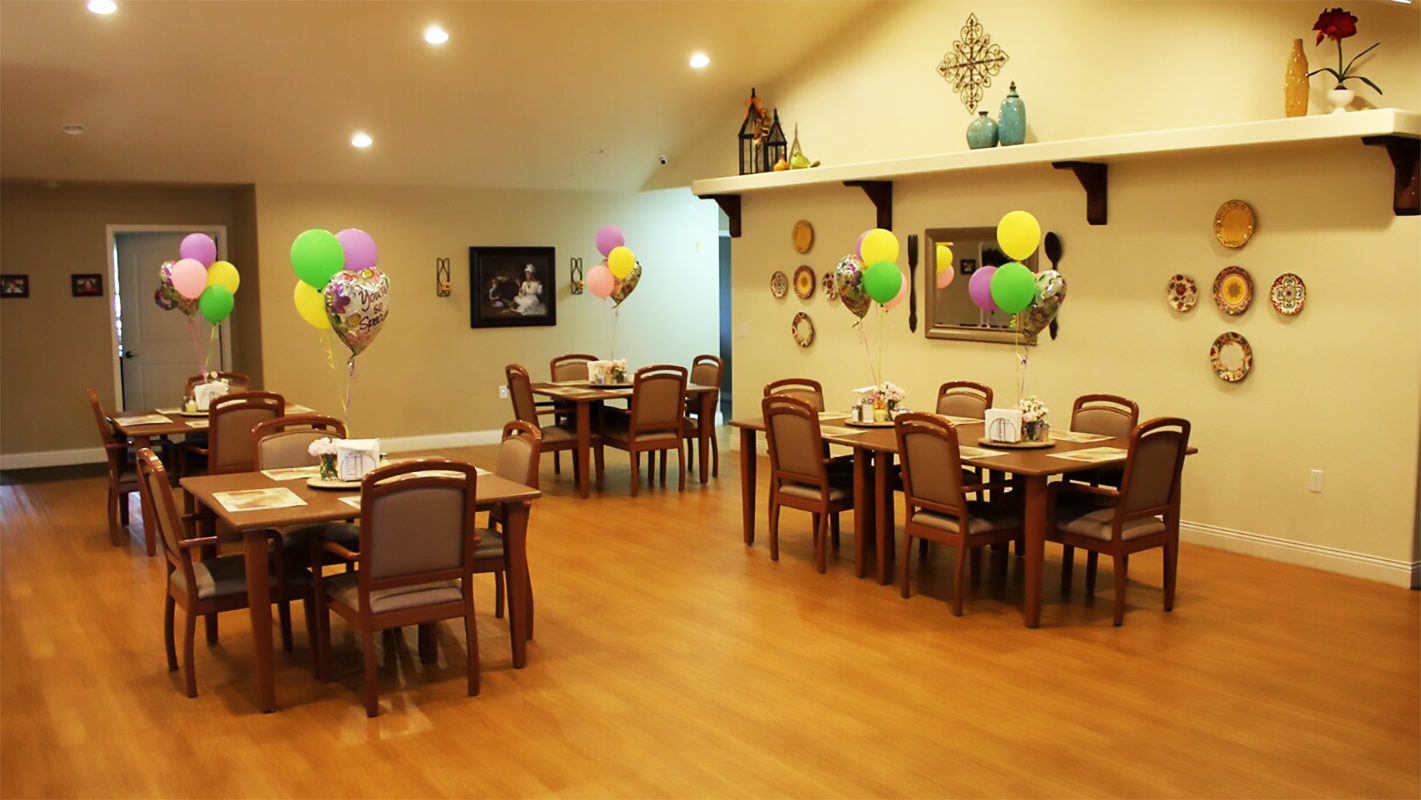
Whenever possible, begin hunting respite alternatives while things are relatively stable. Tour at least one small residential home and one larger assisted living center that offers respite stays. Take your loved one along if they are willing and able. Watch how they respond.
Complete the consumption documents in advance, even if you do not arrange a stay yet. Having medical kinds, medication lists, and financial arrangements partially established broadens your alternatives if a crisis arises.
Finally, talk freely with your loved one, to the level their cognition allows. Ask where they feel more at ease. Some older adults are surprisingly clear: "I like that little home, it seems like our old area," or "If I have to go somewhere, I want the place with the big dining-room and the piano."
Respite care is not just a transaction in the senior care system. It is an intimate handoff of trust for a finite duration. Whether you select the close-knit atmosphere of a little elderly care home or the structured support of a big assisted living center with memory care, the best decision is the one that aligns respite care realistically with your loved one's needs, your household's limits, and the particular strengths of the company in front of you.
Done well, respite care ends up being not a last hope, but a prepared, recurring tool that keeps everybody safer, saner, and more able to sustain compassion over the long journey of caregiving.
BeeHive Homes of Hamilton provides assisted living care
BeeHive Homes of Hamilton provides memory care services
BeeHive Homes of Hamilton provides respite care services
BeeHive Homes of Hamilton supports assistance with bathing and grooming
BeeHive Homes of Hamilton offers private bedrooms with private bathrooms
BeeHive Homes of Hamilton provides medication monitoring and documentation
BeeHive Homes of Hamilton serves dietitian-approved meals
BeeHive Homes of Hamilton provides housekeeping services
BeeHive Homes of Hamilton provides laundry services
BeeHive Homes of Hamilton offers community dining and social engagement activities
BeeHive Homes of Hamilton features life enrichment activities
BeeHive Homes of Hamilton supports personal care assistance during meals and daily routines
BeeHive Homes of Hamilton promotes frequent physical and mental exercise opportunities
BeeHive Homes of Hamilton provides a home-like residential environment
BeeHive Homes of Hamilton creates customized care plans as residents’ needs change
BeeHive Homes of Hamilton assesses individual resident care needs
BeeHive Homes of Hamilton accepts private pay and long-term care insurance
BeeHive Homes of Hamilton assists qualified veterans with Aid and Attendance benefits
BeeHive Homes of Hamilton encourages meaningful resident-to-staff relationships
BeeHive Homes of Hamilton delivers compassionate, attentive senior care focused on dignity and comfort
BeeHive Homes of Hamilton has a phone number of (406) 545-5737
BeeHive Homes of Hamilton has an address of 842 New York Ave, Hamilton, MT 59840
BeeHive Homes of Hamilton has a website https://beehivehomes.com/locations/hamilton/
BeeHive Homes of Hamilton has Google Maps listing https://maps.app.goo.gl/fpCde3DZGLsVCkV88
BeeHive Homes of Hamilton has Instagram page https://www.instagram.com/beehivehomeshamilton/
BeeHive Homes of Hamilton has an Tiktok page https://www.tiktok.com/@beehivehomesofhamilton
BeeHive Homes of Hamilton won Top Assisted Living Homes 2025
BeeHive Homes of Hamilton earned Best Customer Service Award 2024
BeeHive Homes of Hamilton placed 1st for Senior Living Communities 2025
People Also Ask about BeeHive Homes of Hamilton
What is BeeHive Homes of Hamilton Living monthly room rate?
Our rates are based on each resident’s unique care needs. We conduct an initial assessment to determine the appropriate level of care, and the monthly rate is set accordingly. You’ll never encounter hidden fees — just transparent, straightforward pricing
Can residents stay in BeeHive Homes until the end of their life?
In most cases, yes. We are honored to support our residents through every stage of aging. However, if a resident requires 24-hour skilled nursing or faces a significant safety risk, we may assist with transitioning to a more appropriate level of medical care
Do we have a nurse on staff?
While we do not have an on-site nurse, each home has access to a dedicated consulting nurse who is available 24/7. If nursing services become necessary, a physician can order licensed home health care to visit and provide support within the home
What are BeeHive Homes’ visiting hours?
We welcome family and friends! Visiting hours are flexible and can be tailored to each resident’s preferences — just avoid early mornings or very late evenings to ensure everyone’s comfort and rest
Do we have couple’s rooms available?
Yes! We offer rooms specially designed for couples who wish to stay together. Availability can vary, so please ask our team about current options
Where is BeeHive Homes of Hamilton located?
BeeHive Homes of Hamilton is conveniently located at 842 New York Ave, Hamilton, MT 59840. You can easily find directions on Google Maps or call at (406) 545-5737 Monday through Sunday 8:00am to 5:00pm
How can I contact BeeHive Homes of Hamilton?
You can contact BeeHive Homes of Hamilton by phone at: (406) 545-5737, visit their website at https://beehivehomes.com/locations/hamilton/ or connect on social media via Instagram Facebook or Tiktok
Claudia Driscoll Park offers open green space and walking paths where residents in assisted living, memory care, senior care, elderly care, and respite care can enjoy gentle outdoor relaxation.